
Understanding the Benefits of Installing a New Boiler
Deciding to invest in a new boiler involves balancing upfront costs against long-term benefits. It’s not just about replacing a broken component – it’s about investing in your home’s efficiency, comfort and reliability for the next 12-15 years.

Why you can trust our content
We understand that the boiler industry can be confusing, with plenty of outdated or misleading information. That’s why we rely only on trusted, proven sources to guide our advice and installations:



At a glance
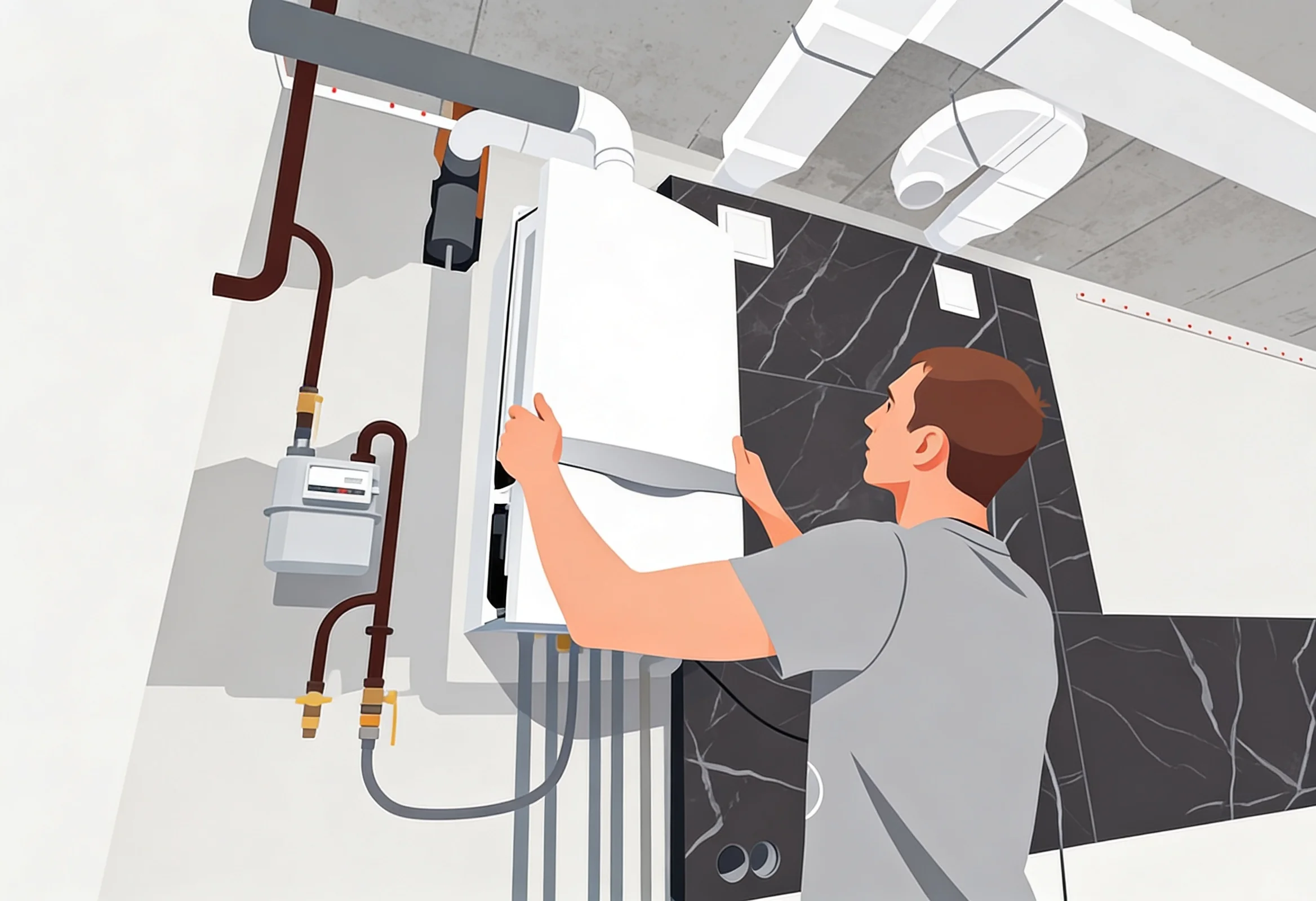
The cost of a new boiler installation varies considerably depending on the system type, your property’s requirements and the complexity of the work involved. Understanding these variables helps you make an informed decision and avoid unexpected expenses. Equally important is recognising the genuine benefits that extend beyond just having hot water and heating.
In this guide, we’ll break down the factors that influence installation costs and explore the tangible advantages of upgrading to a modern system. Whether you’re replacing an aging boiler or planning a system upgrade, you’ll gain clarity on what to expect.
What Influences the Cost of a New Boiler?
Several factors determine how much you’ll pay for a new boiler installation in Cardiff. The boiler unit itself represents a significant portion of the total cost, but it’s far from the only consideration.
System type makes a substantial difference. Combi boilers are generally the most affordable option as they don’t require separate cylinders or tanks. System boilers need a hot water cylinder, increasing both equipment and installation costs. Heat-only boilers involve the most complex installations, particularly if you’re working with or upgrading existing tank systems.
Boiler quality and brand affect the price considerably. Budget models from lesser-known manufacturers cost less initially but may lack the reliability and efficiency of established brands. Premium manufacturers like Worcester Bosch, ATAG and Baxi command higher prices but typically offer better warranties, superior build quality and greater long-term reliability.
Your property’s specific requirements play a crucial role. A straightforward like-for-like replacement in a property with existing modern pipework is relatively simple. Converting from one system type to another, dealing with outdated pipework or relocating the boiler all increase labour costs and installation time.
If you’d like a detailed assessment of what a new boiler would cost for your specific property, contact our team for a free home survey and fixed-price quotation.
Breaking Down Boiler Installation Costs
Understanding where your money goes helps you evaluate quotes and make informed decisions. A professional boiler installation involves several components beyond just the boiler unit itself.
Labour costs typically account for a significant portion of the total. A Gas Safe registered engineer’s time includes removing your old boiler, fitting the new system, making necessary pipework modifications, testing everything thoroughly and ensuring compliance with building regulations. The complexity of your installation directly affects how long this takes.
Additional materials and components add up quickly. You’ll need a magnetic filter to protect your new boiler from system debris, a scale reducer in hard water areas and potentially new controls or a thermostat. Upgrades to pipework, radiator valves or the flue system may be necessary depending on your property’s current setup.
Disposal of the old boiler is often included but worth confirming. Responsible engineers will remove your old system and dispose of it properly, including any asbestos-containing components that may be present in older installations.
Certification and compliance work is essential but easy to overlook. Your installer must provide a Building Regulations Compliance Certificate and register the installation with the relevant authorities. These administrative tasks are part of a professional service.
Let’s get started, Which fuel powers your boiler?
Mains Gas
LPG
It just takes 60 Sec
And then you can book a free consultation
What Are the Long-Term Cost Benefits?
The financial advantages of a new boiler extend well beyond the installation day. Understanding these long-term benefits helps justify the initial investment and makes the decision clearer.
Reduced energy bills represent the most immediate and ongoing benefit. Modern A-rated condensing boilers can be 25-30% more efficient than boilers over 15 years old. For an average household, this translates to meaningful annual savings that accumulate over the boiler’s lifespan.
Lower maintenance costs shouldn’t be underestimated. New boilers require an annual service but rarely need repairs during their warranty period. Older boilers become increasingly expensive to maintain, with component failures becoming more frequent and costly. Some parts become obsolete, making repairs impossible or economically unviable.
Warranty protection provides financial security. Most new boilers come with manufacturer warranties ranging from five to ten years, depending on the model and installation quality. This protection means you won’t face unexpected repair bills during the warranty period.
Property value enhancement is a subtle but real benefit. A modern, efficient heating system is a genuine selling point. Potential buyers recognise the value of not needing to replace the boiler immediately after purchase, and the improved Energy Performance Certificate rating adds tangible value.
How Does System Type Affect Overall Cost?
Choosing between a combi, system or heat-only boiler significantly influences both installation costs and long-term running expenses. Each type suits different situations and budgets.
Combi boilers offer the most cost-effective installation for many properties. They heat water on demand, eliminating the need for cylinders, tanks and associated pipework. This simplicity means lower parts costs and reduced installation time. They’re ideal for smaller properties with one bathroom and modest hot water demands.
System boilers cost more to install as they require a cylinder for storing hot water. However, they excel in properties with multiple bathrooms or higher hot water usage. The ability to supply hot water to several taps simultaneously makes them practical for family homes, despite the higher initial investment.
Heat-only boilers involve the most complex and expensive installations. They require a cold water storage tank, hot water cylinder and expansion tank. The additional components and labour increase costs substantially. However, for properties with existing conventional systems or very high hot water demands, they remain the most appropriate choice.
Fuel type matters too. Gas boilers are the most common and generally the most economical to run where mains gas is available. Oil and LPG alternatives suit properties without gas connections but typically cost more to operate.
What Non-Financial Benefits Should You Consider?
Whilst costs and savings rightly dominate boiler replacement decisions, several quality-of-life improvements deserve consideration. These benefits enhance your daily experience and contribute significantly to home comfort.
Improved reliability transforms your relationship with your heating system. Modern boilers simply work when you need them, without the anxiety of whether the heating will come on or the shower will run hot. This peace of mind is particularly valuable during cold weather when boiler failures are most disruptive.
Consistent heating and hot water delivery improves noticeably. New boilers maintain steady temperatures without the fluctuations common in older systems. Combi boilers provide hot water at mains pressure, delivering powerful showers without requiring separate pumps.
Quieter operation makes a real difference to home comfort. If you’ve lived with an older boiler that bangs, whistles or hums constantly, the near-silent running of a modern system will be a welcome change. You’ll no longer need to time conversations around boiler cycling or be disturbed by heating coming on at night.
Smart control compatibility lets you manage heating from anywhere. Adjust temperatures remotely, create detailed schedules for different days and monitor energy usage through smartphone apps. This level of control was impossible with older systems and makes managing your home’s comfort and efficiency effortless.
Environmental responsibility is increasingly important to homeowners. Upgrading to a high efficiency boiler significantly reduces your carbon footprint. Modern boilers produce fewer emissions per unit of heat, contributing to broader climate goals whilst reducing your household’s environmental impact.
For honest advice on whether a new boiler makes sense for your circumstances, speak to our experienced engineers who can assess your current system and discuss your options.
Are There Ways to Make Installation More Affordable?
The upfront cost of a new boiler installation can seem daunting, but several options exist to make the investment more manageable without compromising on quality or safety.
Finance options spread the cost over manageable monthly payments. Many heating companies offer finance arrangements that let you upgrade your boiler immediately whilst paying over time. This approach means you start benefiting from reduced running costs straight away, potentially offsetting some or all of the monthly finance payment.
Timing your installation strategically can affect availability and potentially costs. Spring and autumn tend to be quieter periods for heating engineers compared to winter when emergency replacements dominate. Planning ahead gives you time to research options, compare quotes and schedule installation at your convenience.
System preparation can reduce installation complexity. If your current system has issues like sludge buildup or corroded pipes, addressing these beforehand can make the boiler installation more straightforward. A powerflush before installation protects your new boiler and can be more economical than dealing with problems after installation.
Like-for-like replacements are generally more affordable than system conversions. If your current boiler type suits your needs, replacing it with a similar system is the most cost-effective approach. However, if a different system type would better serve your property, the additional initial cost may be worthwhile for long-term benefits.
What Should You Look for in a Quote?
Comparing quotes for boiler installation requires understanding what’s included and what might be additional. Not all quotes are structured the same way, making direct comparisons challenging.
Comprehensive quotes should itemise the boiler model, all necessary components, labour costs and timescales. Be wary of quotes that lack detail or seem unusually low – they may exclude essential items or indicate corner-cutting on labour or materials.
Warranty terms matter enormously. Check both the manufacturer’s warranty on the boiler itself and any installation guarantee offered by the company. Extended warranties often require annual servicing by the installing company, so understand these terms upfront.
Gas Safe registration is non-negotiable. Any person working on your gas boiler must be Gas Safe registered. Reputable companies will provide their registration number and be happy for you to verify it on the Gas Safe Register website.
Aftercare and servicing options add value beyond the installation itself. Companies that offer annual servicing, care plans or priority response for repairs provide ongoing support that protects your investment.
Include questions about timescales, what happens if complications arise and whether the quote is fixed or subject to change. A professional installer will answer these clearly and provide written confirmation.
Frequently Asked Questions
Installing a new boiler represents a significant investment, but understanding the costs involved and benefits gained makes the decision clearer. The upfront expense delivers returns through reduced energy bills, lower maintenance costs, improved reliability and enhanced home comfort.
Modern boilers offer efficiency levels that older systems simply can’t match. Combined with smart controls, improved reliability and manufacturer warranties, they provide a heating solution that serves your home effectively for 12-15 years.
Contact Geco Plumbing for transparent advice and a detailed quote for new boiler installation in Cardiff, Swansea, Bridgend or Barry. Our Gas Safe registered engineers will survey your property, discuss your requirements and provide honest recommendations with flexible finance options available to help spread the cost.
Related articles
Let’s get started, Which fuel powers your boiler?
Mains Gas
LPG
At a glance
The cost of a new boiler installation varies considerably depending on the system type, your property’s requirements and the complexity of the work involved. Understanding these variables helps you make an informed decision and avoid unexpected expenses. Equally important is recognising the genuine benefits that extend beyond just having hot water and heating.
In this guide, we’ll break down the factors that influence installation costs and explore the tangible advantages of upgrading to a modern system. Whether you’re replacing an aging boiler or planning a system upgrade, you’ll gain clarity on what to expect.
What Influences the Cost of a New Boiler?
Several factors determine how much you’ll pay for a new boiler installation in Cardiff. The boiler unit itself represents a significant portion of the total cost, but it’s far from the only consideration.
System type makes a substantial difference. Combi boilers are generally the most affordable option as they don’t require separate cylinders or tanks. System boilers need a hot water cylinder, increasing both equipment and installation costs. Heat-only boilers involve the most complex installations, particularly if you’re working with or upgrading existing tank systems.
Boiler quality and brand affect the price considerably. Budget models from lesser-known manufacturers cost less initially but may lack the reliability and efficiency of established brands. Premium manufacturers like Worcester Bosch, ATAG and Baxi command higher prices but typically offer better warranties, superior build quality and greater long-term reliability.
Your property’s specific requirements play a crucial role. A straightforward like-for-like replacement in a property with existing modern pipework is relatively simple. Converting from one system type to another, dealing with outdated pipework or relocating the boiler all increase labour costs and installation time.
If you’d like a detailed assessment of what a new boiler would cost for your specific property, contact our team for a free home survey and fixed-price quotation.
Breaking Down Boiler Installation Costs
Understanding where your money goes helps you evaluate quotes and make informed decisions. A professional boiler installation involves several components beyond just the boiler unit itself.
Labour costs typically account for a significant portion of the total. A Gas Safe registered engineer’s time includes removing your old boiler, fitting the new system, making necessary pipework modifications, testing everything thoroughly and ensuring compliance with building regulations. The complexity of your installation directly affects how long this takes.
Additional materials and components add up quickly. You’ll need a magnetic filter to protect your new boiler from system debris, a scale reducer in hard water areas and potentially new controls or a thermostat. Upgrades to pipework, radiator valves or the flue system may be necessary depending on your property’s current setup.
Disposal of the old boiler is often included but worth confirming. Responsible engineers will remove your old system and dispose of it properly, including any asbestos-containing components that may be present in older installations.
Certification and compliance work is essential but easy to overlook. Your installer must provide a Building Regulations Compliance Certificate and register the installation with the relevant authorities. These administrative tasks are part of a professional service.
Let’s get started, Which fuel powers your boiler?
Mains Gas
LPG
It just takes 60 Sec
And then you can book a free consultation
What Are the Long-Term Cost Benefits?
The financial advantages of a new boiler extend well beyond the installation day. Understanding these long-term benefits helps justify the initial investment and makes the decision clearer.
Reduced energy bills represent the most immediate and ongoing benefit. Modern A-rated condensing boilers can be 25-30% more efficient than boilers over 15 years old. For an average household, this translates to meaningful annual savings that accumulate over the boiler’s lifespan.
Lower maintenance costs shouldn’t be underestimated. New boilers require an annual service but rarely need repairs during their warranty period. Older boilers become increasingly expensive to maintain, with component failures becoming more frequent and costly. Some parts become obsolete, making repairs impossible or economically unviable.
Warranty protection provides financial security. Most new boilers come with manufacturer warranties ranging from five to ten years, depending on the model and installation quality. This protection means you won’t face unexpected repair bills during the warranty period.
Property value enhancement is a subtle but real benefit. A modern, efficient heating system is a genuine selling point. Potential buyers recognise the value of not needing to replace the boiler immediately after purchase, and the improved Energy Performance Certificate rating adds tangible value.
How Does System Type Affect Overall Cost?
Choosing between a combi, system or heat-only boiler significantly influences both installation costs and long-term running expenses. Each type suits different situations and budgets.
Combi boilers offer the most cost-effective installation for many properties. They heat water on demand, eliminating the need for cylinders, tanks and associated pipework. This simplicity means lower parts costs and reduced installation time. They’re ideal for smaller properties with one bathroom and modest hot water demands.
System boilers cost more to install as they require a cylinder for storing hot water. However, they excel in properties with multiple bathrooms or higher hot water usage. The ability to supply hot water to several taps simultaneously makes them practical for family homes, despite the higher initial investment.
Heat-only boilers involve the most complex and expensive installations. They require a cold water storage tank, hot water cylinder and expansion tank. The additional components and labour increase costs substantially. However, for properties with existing conventional systems or very high hot water demands, they remain the most appropriate choice.
Fuel type matters too. Gas boilers are the most common and generally the most economical to run where mains gas is available. Oil and LPG alternatives suit properties without gas connections but typically cost more to operate.
What Non-Financial Benefits Should You Consider?
Whilst costs and savings rightly dominate boiler replacement decisions, several quality-of-life improvements deserve consideration. These benefits enhance your daily experience and contribute significantly to home comfort.
Improved reliability transforms your relationship with your heating system. Modern boilers simply work when you need them, without the anxiety of whether the heating will come on or the shower will run hot. This peace of mind is particularly valuable during cold weather when boiler failures are most disruptive.
Consistent heating and hot water delivery improves noticeably. New boilers maintain steady temperatures without the fluctuations common in older systems. Combi boilers provide hot water at mains pressure, delivering powerful showers without requiring separate pumps.
Quieter operation makes a real difference to home comfort. If you’ve lived with an older boiler that bangs, whistles or hums constantly, the near-silent running of a modern system will be a welcome change. You’ll no longer need to time conversations around boiler cycling or be disturbed by heating coming on at night.
Smart control compatibility lets you manage heating from anywhere. Adjust temperatures remotely, create detailed schedules for different days and monitor energy usage through smartphone apps. This level of control was impossible with older systems and makes managing your home’s comfort and efficiency effortless.
Environmental responsibility is increasingly important to homeowners. Upgrading to a high efficiency boiler significantly reduces your carbon footprint. Modern boilers produce fewer emissions per unit of heat, contributing to broader climate goals whilst reducing your household’s environmental impact.
For honest advice on whether a new boiler makes sense for your circumstances, speak to our experienced engineers who can assess your current system and discuss your options.
Are There Ways to Make Installation More Affordable?
The upfront cost of a new boiler installation can seem daunting, but several options exist to make the investment more manageable without compromising on quality or safety.
Finance options spread the cost over manageable monthly payments. Many heating companies offer finance arrangements that let you upgrade your boiler immediately whilst paying over time. This approach means you start benefiting from reduced running costs straight away, potentially offsetting some or all of the monthly finance payment.
Timing your installation strategically can affect availability and potentially costs. Spring and autumn tend to be quieter periods for heating engineers compared to winter when emergency replacements dominate. Planning ahead gives you time to research options, compare quotes and schedule installation at your convenience.
System preparation can reduce installation complexity. If your current system has issues like sludge buildup or corroded pipes, addressing these beforehand can make the boiler installation more straightforward. A powerflush before installation protects your new boiler and can be more economical than dealing with problems after installation.
Like-for-like replacements are generally more affordable than system conversions. If your current boiler type suits your needs, replacing it with a similar system is the most cost-effective approach. However, if a different system type would better serve your property, the additional initial cost may be worthwhile for long-term benefits.
What Should You Look for in a Quote?
Comparing quotes for boiler installation requires understanding what’s included and what might be additional. Not all quotes are structured the same way, making direct comparisons challenging.
Comprehensive quotes should itemise the boiler model, all necessary components, labour costs and timescales. Be wary of quotes that lack detail or seem unusually low – they may exclude essential items or indicate corner-cutting on labour or materials.
Warranty terms matter enormously. Check both the manufacturer’s warranty on the boiler itself and any installation guarantee offered by the company. Extended warranties often require annual servicing by the installing company, so understand these terms upfront.
Gas Safe registration is non-negotiable. Any person working on your gas boiler must be Gas Safe registered. Reputable companies will provide their registration number and be happy for you to verify it on the Gas Safe Register website.
Aftercare and servicing options add value beyond the installation itself. Companies that offer annual servicing, care plans or priority response for repairs provide ongoing support that protects your investment.
Include questions about timescales, what happens if complications arise and whether the quote is fixed or subject to change. A professional installer will answer these clearly and provide written confirmation.
Frequently Asked Questions
Installing a new boiler represents a significant investment, but understanding the costs involved and benefits gained makes the decision clearer. The upfront expense delivers returns through reduced energy bills, lower maintenance costs, improved reliability and enhanced home comfort.
Modern boilers offer efficiency levels that older systems simply can’t match. Combined with smart controls, improved reliability and manufacturer warranties, they provide a heating solution that serves your home effectively for 12-15 years.
Contact Geco Plumbing for transparent advice and a detailed quote for new boiler installation in Cardiff, Swansea, Bridgend or Barry. Our Gas Safe registered engineers will survey your property, discuss your requirements and provide honest recommendations with flexible finance options available to help spread the cost.
Related articles
Let’s get started, Which fuel powers your boiler?
Mains Gas
LPG